
“A Purely Mediated Experience”
Also: A history of Britain, when London was enchanting, a new history of the Wars of the Roses, Shakespearean insanity, and more.

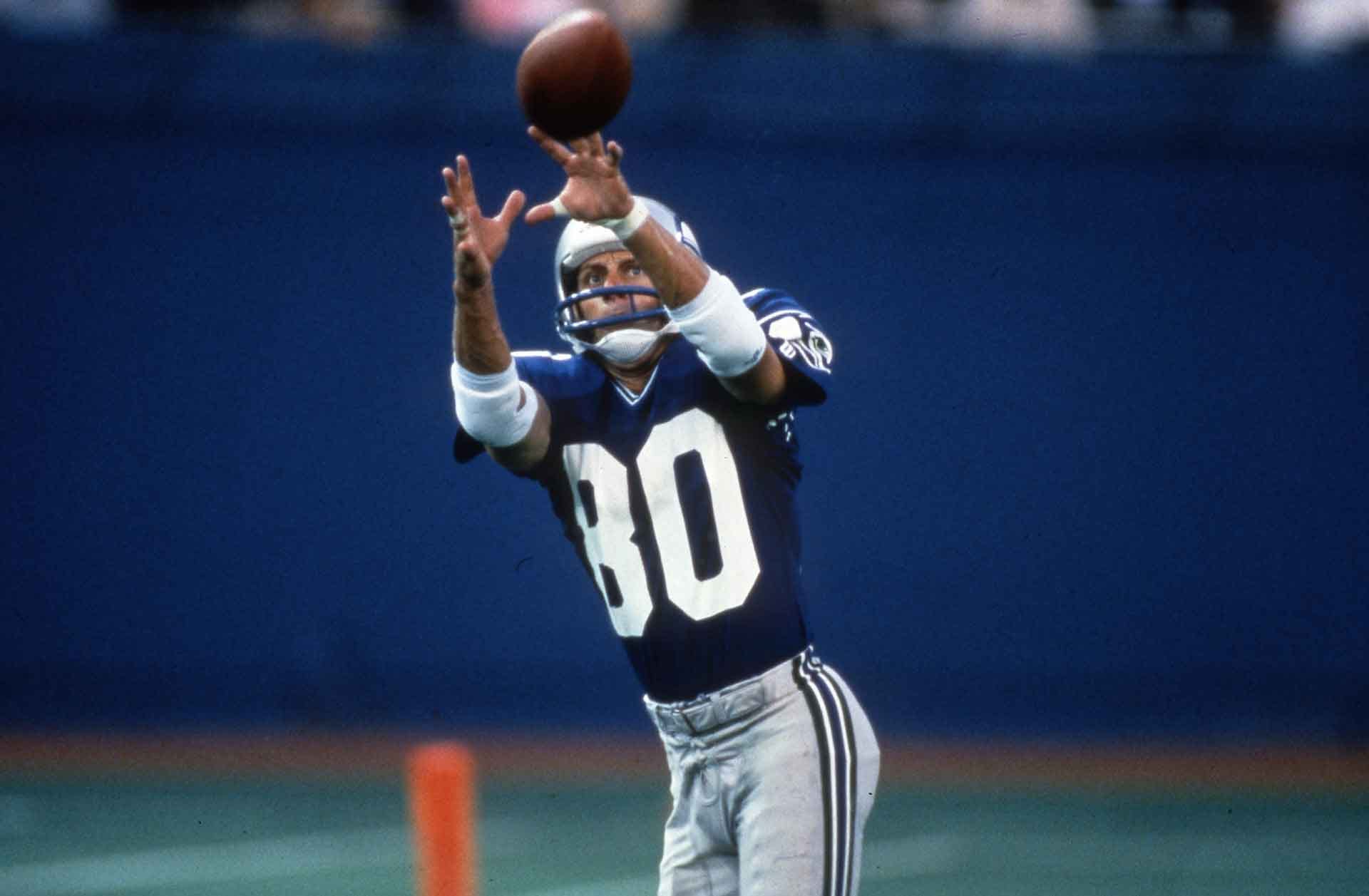
Good morning! The Seattle Seahawks have made it to the Super Bowl again. I grew up watching the Seahawks, but I stopped watching football regularly over twenty years ago. Still, I always try to watch part of the Super Bowl.
Not this year. It is much easier to get the game in the old country than it used to be—all you have to do is pay. But it is a game, in my view, that must be watched live or not at all, and it starts after midnight here, far too late for me.
The Super Bowl is not just a game that must be watched live, it must be viewed on television—at least that’s Chuck Klosterman’s argument. Football, he writes, “is a purely mediated experience . . . It’s not just that you can see a game better when you watch it on television. Television is the only way you can see it at all”:
The only sport universally understood to be better when watched in person is hockey. In the same way football is always better on TV, hockey is always better live. With almost every other sport, the difference is debatable. Baseball is sometimes better in person, because it’s nice to sit outside in the summer (the weather and the park have more influence than the game). Basketball becomes more compelling if you sit close to the court and less compelling if you’re in the rafters, though the prime seats in any NBA arena tend to provide ticket holders with the same viewpoint they’d get from a TV broadcast. Live tennis and live golf offer details that can’t be captured on television, but there are rules of decorum and big potential for monotony. Soccer is exclusively about atmosphere and identity, so the experience of being in the crowd and the experience of the game itself are only nominally associated, in the same way going to see the Grateful Dead in the late 1980s was only nominally about music. Live boxing and live auto racing deliver palpable electricity with subpar sightlines. In all of these non‑football examples, the debate boils down to how effectively the televised depiction of an event can translate its in‑person actuality, which is why hockey is an outlier (the ambient feeling of bodies colliding with plexiglass is not digitally transferrable). Televised football is an outlier to an even greater extent, and for a much stranger reason: The TV experience doesn’t translate the live experience at all, in any way. The game happening in the physical world only exists to facilitate the broadcast version of the game, even if the game is not being televised. Here again, it must be reiterated: Football is a purely mediated experience, even when there is no media involved. It’s not just that you can see a game better when you watch it on television. Television is the only way you can see it at all.
Football fans attend football games for lots of different reasons. However, one of the expressed reasons can never be “A desire to see what’s really happening.” If that was someone’s true desire, they would stay home and watch it on TV. No one inside a football stadium — including the coaches on the sideline and the players on the field— can see the game with the consistent clarity of a person watching remotely. The announcers have the game happening directly in front of them and still watch the action on TV monitors, in part because they want their commentary to match what the home viewer is seeing but mostly because the camera is the perspective that matters.
And even when there is no camera, our minds insert one.
By now, it’s difficult to find any football game that isn’t being filmed by someone. When CBS broadcast Super Bowl LVIII in 2024, the network utilized 165 cameras. When Super Bowl I was broadcast in 1967 (on two competing networks at the same time), the total number of cameras was 11. This is now unthinkable. Show up at a random Pop Warner football game in rural Idaho, and you might find 22 different parents recording the action on 22 different camera phones. When I played high school football in the 1980s, not even the state championship was broadcast by any local station; today, most regular‑season high school games in every state can be streamed live, sometimes with a multi-camera professionalism on par with the broadcast of Super Bowl I. A camera‑free event has become rarer than the alternative. But the mental phenomenon I’m describing has little to do with how videography has expanded. The mentally inserted “camera” is not a machine. It is a way of seeing. It’s a type of forced perspective, invented by cameras and normalized through the omnipresence of television. In other realms of existence, such a phenomenon would be bad, since what I’m describing is a kind of psychological fascism. It is, technically, a form of mind control. Yet in this one particular instance, it benefits both the sport and the audience. With football, the psychology of fascism works.
This isn’t quite right, but it’s an intriguing argument nonetheless.
